University of Nebraska–Lincoln
Log In

Log In

Log in to this site as Ryan Dee
  • View Profile
  • Log out
Microsoft 365 -
Storage and Applications
  • Outlook
    Email
  • OneDrive
    Personal Cloud Storage
  • SharePoint
    Shared Cloud Storage
  • Teams
    Collaboration Service
Canvas -
Learning Management System (LMS)

Log into Canvas with your University of Nebraska–Lincoln or TrueYou credentials.

  • MyRed
    Student Information System
  • TrueYou
    Identity Management
  • Bridge
    On-Demand Learning
  • Exam Commons Reservations
    Digital Learning Center (DLC)
  • Firefly
    Employee Portal
  • Handshake
    Career Network
  • NvolveU
    Student Organizations
  • Salesforce
    Student Success Hub
  • Wepa
    Student Printing
  • YuJa
    Academic Video
  • Zoom
    Video Conferencing
  • More services are available in the Service Catalog
Search

Search Form

Nebraska Today
Search
Log In
  • Agriculture & Environment
  • Arts
  • Business & Law
  • On Campus
  • Science & Technology
  • Society & Culture

Menu

  • Visit

    • University of Nebraska–Lincoln
  • Apply to

    • University of Nebraska–Lincoln
  • Give to

    • University of Nebraska–Lincoln
  1. Nebraska
  2. University Communication
  3. Nebraska Today
  4. hemoglobin

hemoglobin

Nile crocodile with impala in mouth
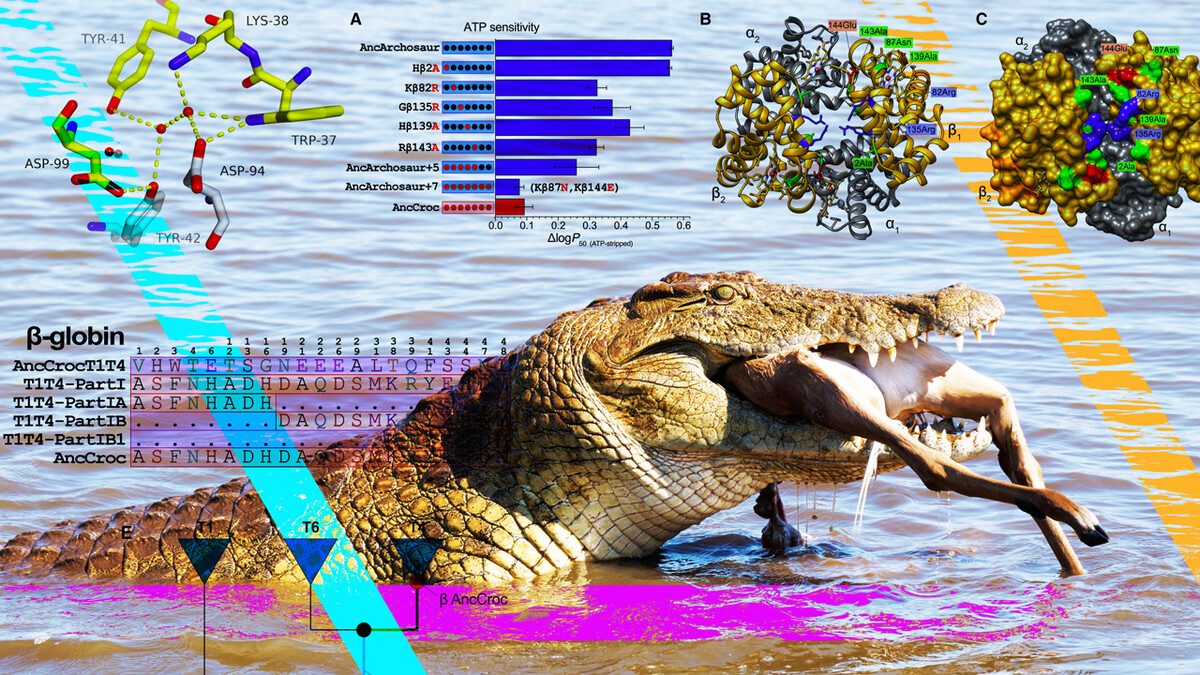
Study clarifies mystery of crocodilian hemoglobin
January 12, 2023
Science & Technology
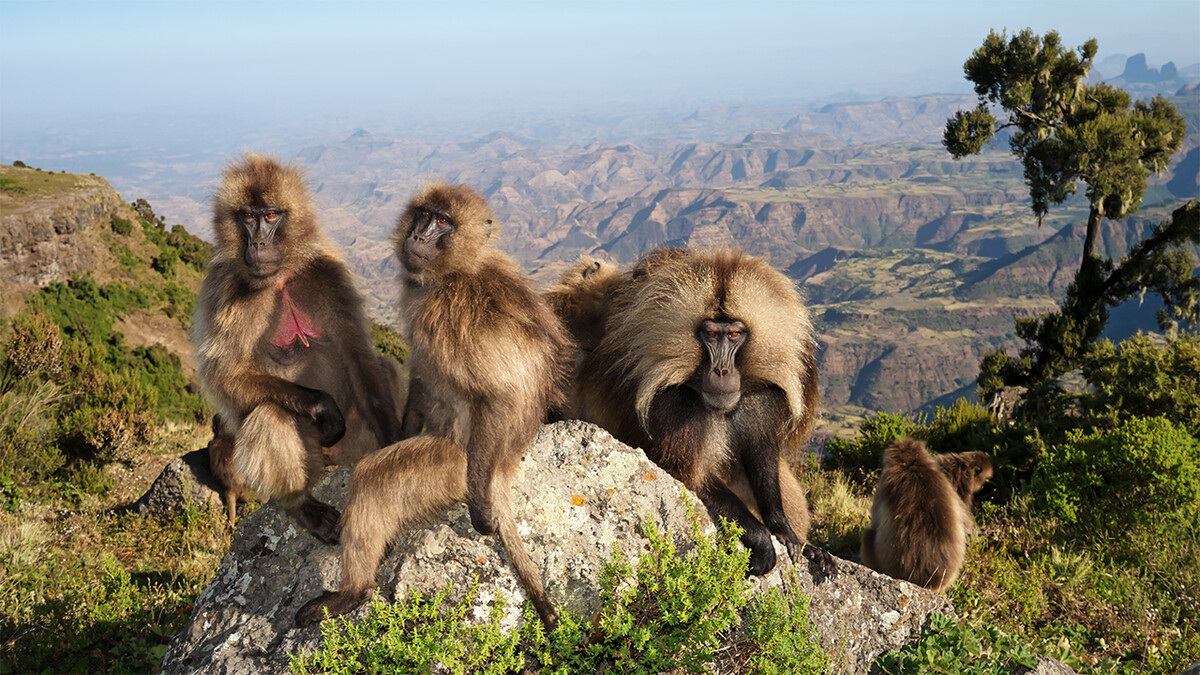
Gelada monkeys
Analysis yields insights into adaptation of high-altitude primate
March 31, 2022
Agriculture & Environment
Science & Technology
.
Waiting to exhale: Penguin hemoglobin evolved to meet oxygen demands of diving
March 23, 2021
Science & Technology
.
Study pinpoints evolutionary leap in structure, function of hemoglobin
June 10, 2020
Science & Technology
.
Wolf hack: Study details how Tibetan dog got oxygen boost
September 4, 2019
Agriculture & Environment
Science & Technology
.
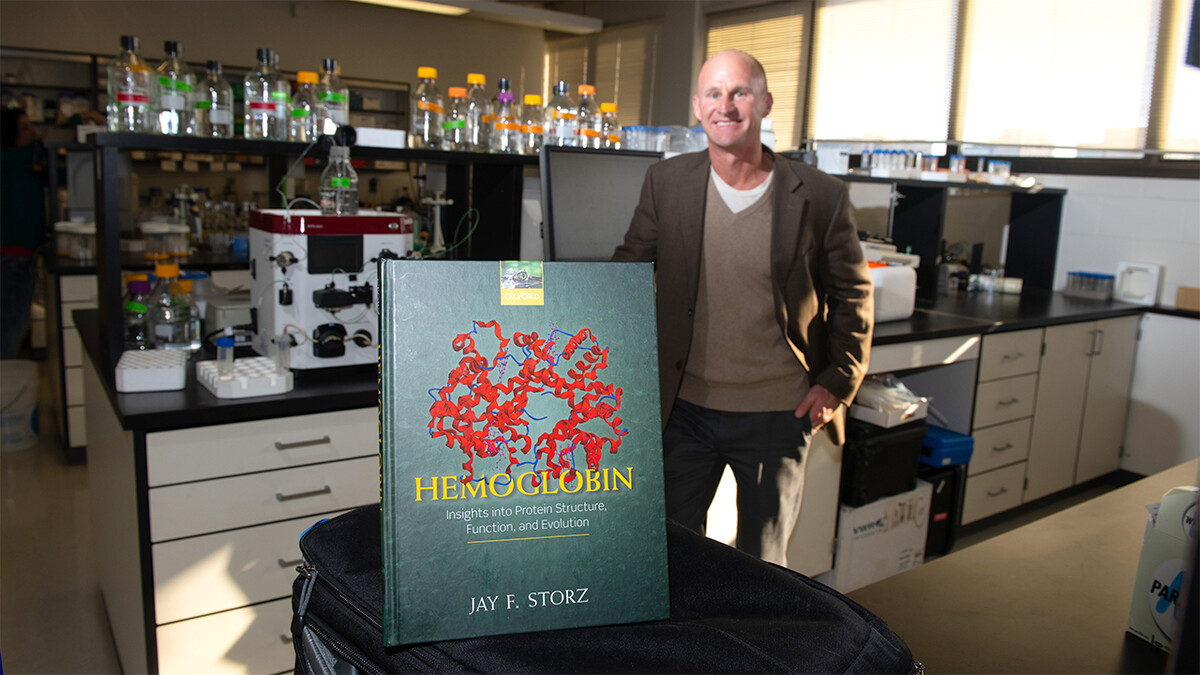
Q&A: Biologist previews new book, explains writing process
December 17, 2018
Science & Technology
Jay Storz stands on the Tibetan Plateau, more than 15,000 feet above sea level. Storz and his colleagues have shown that many high-altitude bird species underwent different mutations to develop the same adaptation: hemoglobin better at capturing and distributing scarce oxygen.
Study: High-altitude birds evolve similar traits via different mutations
February 19, 2018
Science & Technology
Study: Mutational ‘hot spot’ leads to adaptation in high-altitude birds
October 14, 2015
Royer continues biotechnology, life sciences seminar series
February 23, 2015
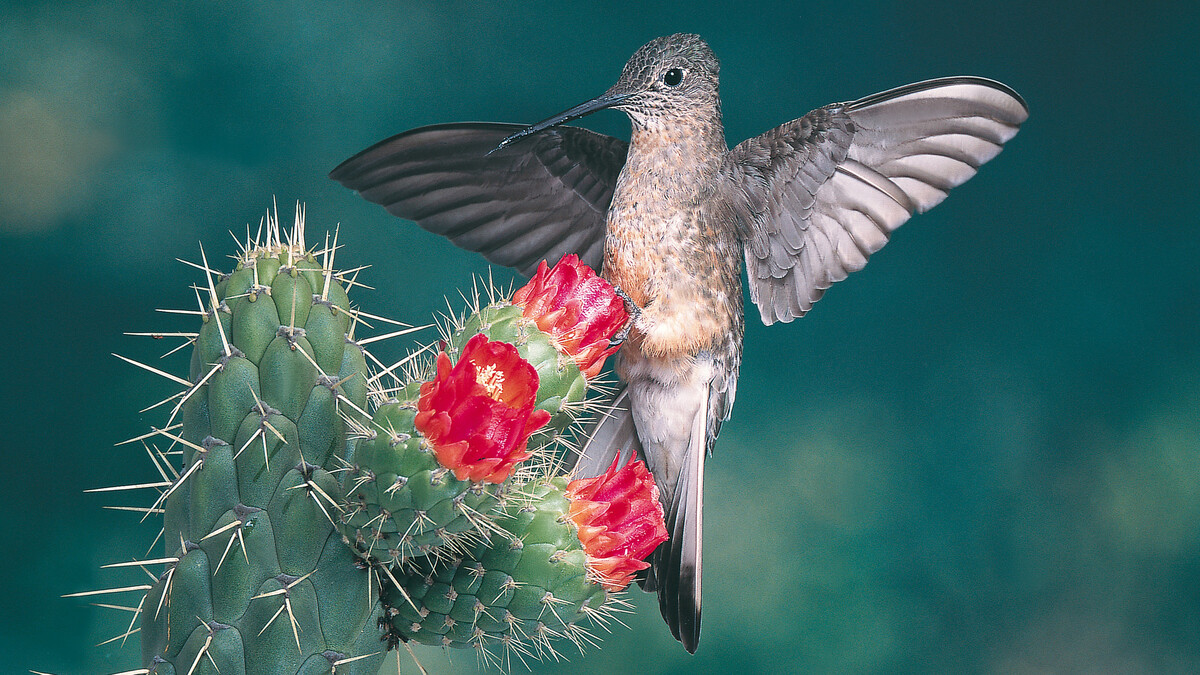
The giant hummingbird, Patagona gigas, occurs at elevations of over 14,000 feet in the Andes of South America. Although it is the largest species of hummingbird, it still weighs in at no more than four-fifths of an ounce (24 grams). Patagona gigas was one of the study species for the Storz team's PNAS paper.
New study reveals how hummingbirds evolved to fly at high altitude
December 2, 2013

Contact us

Address
University of Nebraska–Lincoln
1217 Q St.
Lincoln, NE 68588 US
  • About UComm
  • Submit a Story
  • Subscribe to the Email Newsletter
 

Related Links

  • University Communication & Marketing
  • Athletic Department Communications Office
 

Campus Links

  • Directory
  • Employment
  • Events
  • Libraries
  • Maps
  • News
  • Office of the Chancellor
Report an Incident
University of Nebraska–Lincoln
Established 1869 · Copyright 2026
UNL web framework and quality assurance provided by the Web Developer Network · QA Test · Accessibility Statement · Institutional Equity and Compliance · Notice of Nondiscrimination · Privacy Policy · Safety at Nebraska · Student Information Disclosures