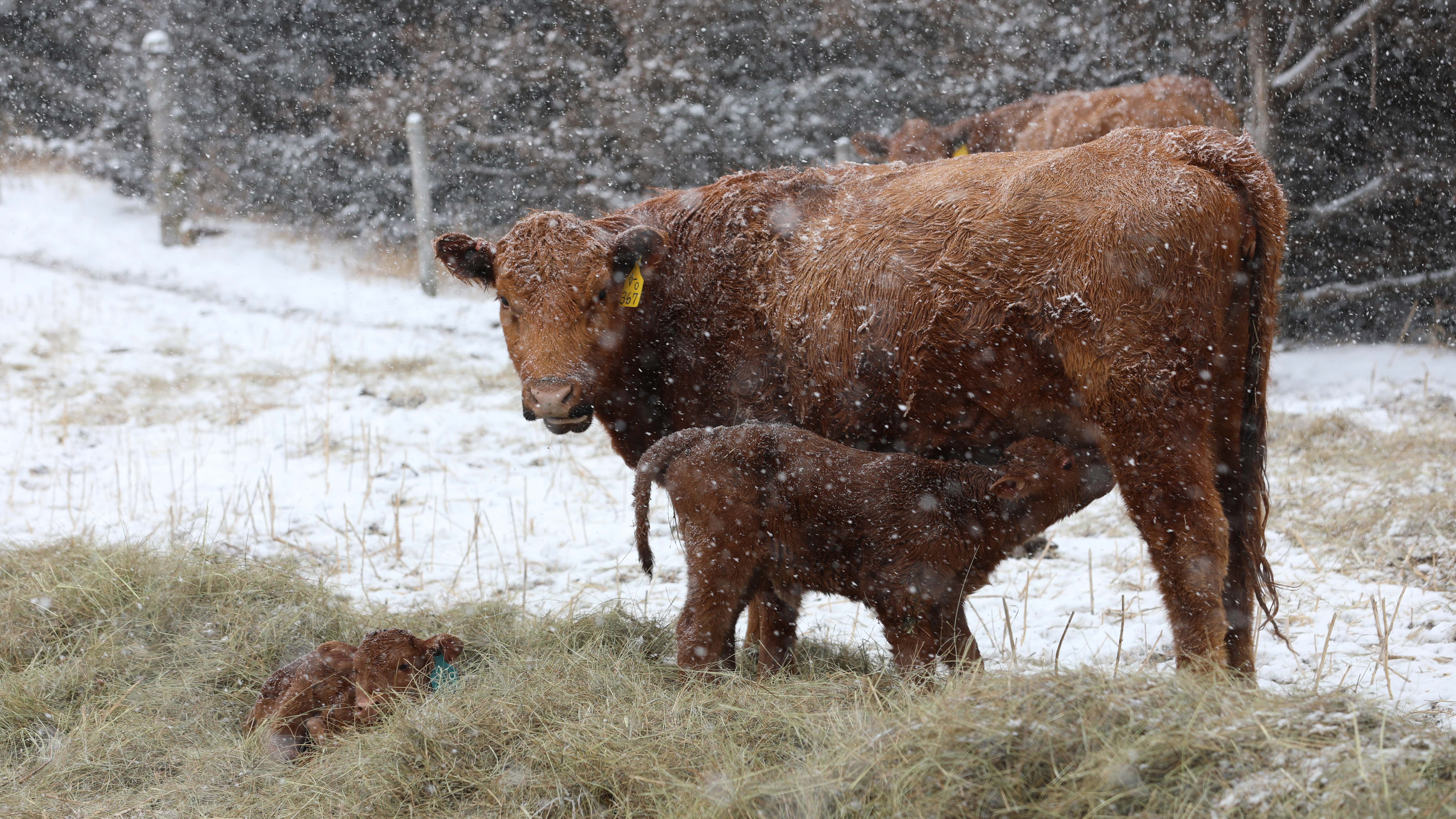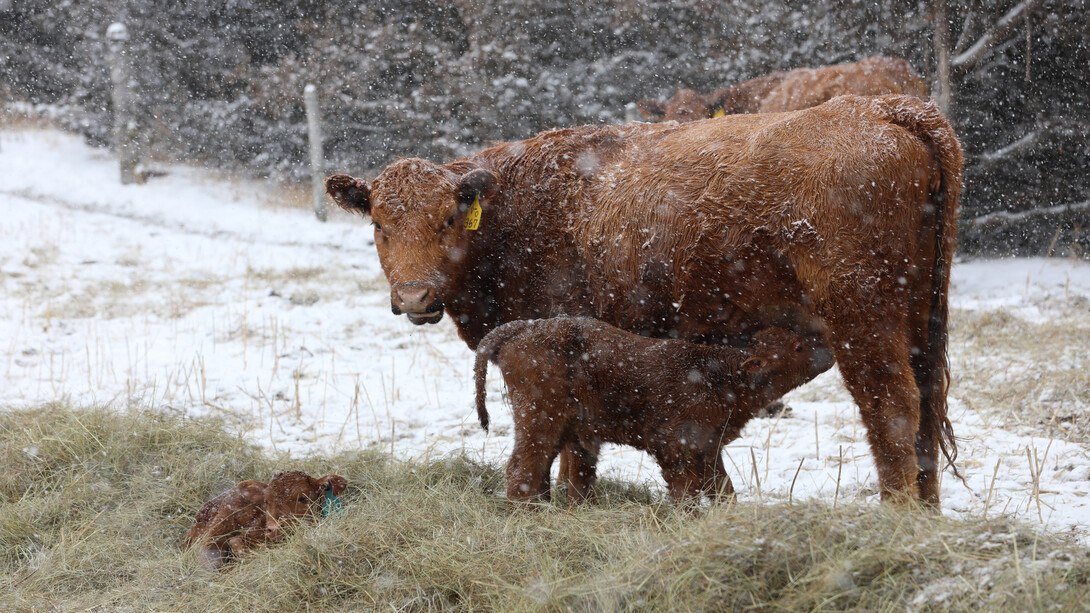
On cold spring mornings in the Nebraska Sandhills, calving season can test even the most experienced ranchers.
Twenty-five years ago, a collaboration between a Sandhills ranch family, a rural veterinarian and University of Nebraska–Lincoln researchers led to a management innovation that transformed how cattle producers prevent calf scours. Known today as the Sandhills Calving System, the approach has become one of the most widely recommended strategies for preventing neonatal calf diarrhea — a disease that historically caused significant illness, death loss and treatment costs in beef calves.
The system was first developed through a partnership between Tim Knott, a veterinarian in Arthur, Nebraska; Mart and Cindy McNutt at the McNutt Ranch west of Tryon, Nebraska; and former Husker veterinarians David Smith and Dale Grotelueschen.
Together, they sought a practical solution to outbreaks of calf scours that many ranchers across the Great Plains faced during the spring calving season.
“When you lose 10% of your calf crop and it starts hurting your financial business because you’re spending so much money trying to save them, you get willing to try something different,” Mart McNutt said.
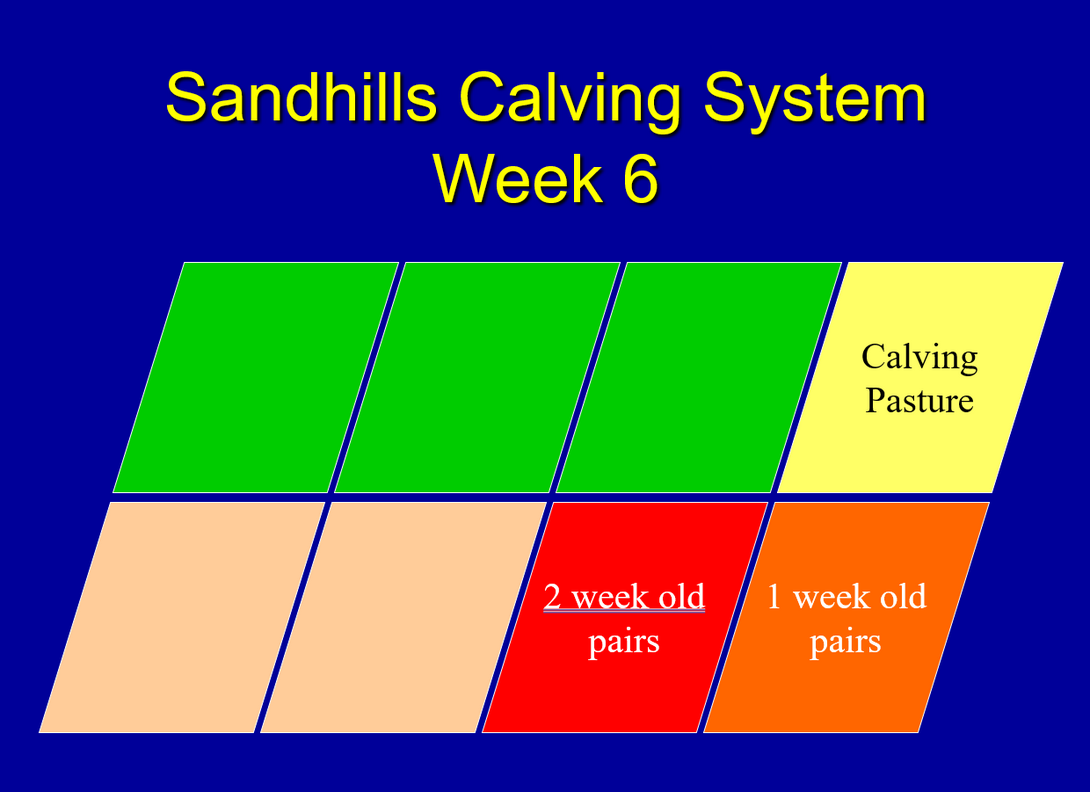
Rather than relying solely on medical treatment, the team focused on changing how cattle were managed during calving.
The resulting system emphasizes separating calves by age and regularly moving pregnant cows that have not yet calved to clean pastures, preventing younger calves from being exposed to pathogens shed by older animals.
“Management practices can have a profound effect on the health of cattle,” said Smith, a veterinarian and epidemiologist who helped investigate the original outbreaks.
Research showed that calf scours was not typically caused by a single new disease. Instead, common pathogens built up in the environment as the calving season progressed, exposing younger calves to higher disease pressure.
“The first calves are exposed to a relatively small dose of pathogens,” Smith explained. “But later in the calving season, those pathogens accumulate in the environment, and younger calves can be exposed to much higher levels.”
By separating calves by age and moving pregnant cows to clean pastures during the calving season, producers could interrupt that cycle.
Research-backed results
Initial research conducted in commercial Sandhills ranch herds demonstrated dramatic improvements in calf health after adopting the system.
In early case studies, illness and death from calf scours dropped significantly. Some herds reported no calf deaths due to scours after implementing the system, while veterinary treatment costs during calving declined sharply.
“When we first started trying it, we didn’t know if it would work,” McNutt said. “But once you learn the basics of it, it’s just like turning the scours switch off.”
The system works by reducing the buildup and transmission of pathogens that cause scours — including viruses, bacteria and protozoa — which commonly spread from older calves to younger animals during the calving season.
According to Grotelueschen, the system emerged through close collaboration between veterinarians and ranchers working through the problem together.
“There was never a grant or funding attached to this work,” he said. “It was veterinarians and ranchers working together in a problem-solving mode.”
A Nebraska innovation with national impact
Although the Sandhills Calving System was developed and first tested in Nebraska ranch herds, its impact has extended far beyond the state.
The management approach has since been widely shared through veterinary conferences, extension programs and beef industry education efforts. Today it is commonly taught in veterinary schools and recommended by extension specialists and veterinarians across North America.
For Brian Vander Ley, a veterinarian and epidemiologist at Nebraska, the system remains one of the best examples of how applied science can solve real-world problems.
“This is bringing science to bear on a real-world problem to generate solutions that actually work for producers,” Vander Ley said.
Unlike many disease-control strategies that rely on medications or vaccines alone, Vander Ley said the Sandhills Calving System demonstrates the power of management decisions.
“In veterinary medicine, we sometimes talk about solutions delivered through needles,” he said. “This was the opposite of that — understanding the disease, how it spreads and how ranch operations work, and adapting management to solve the problem.”
A legacy of applied research
Twenty-five years later, the Sandhills Calving System remains a cornerstone of calf health management in the beef industry. Its success highlights the power of applied research rooted in the needs of producers — and the role Nebraska’s land-grant university continues to play in developing practical solutions for ranchers.
“These guys made a real difference for a lot of people,” Vander Ley said.
What began as a practical solution tested on a Sandhills ranch has grown into a management approach now used by cattle producers across North America — improving calf health, reducing treatment costs and helping ranchers raise more healthy calves each year.
Share
News Release Contact(s)
Tags
High Resolution Photos