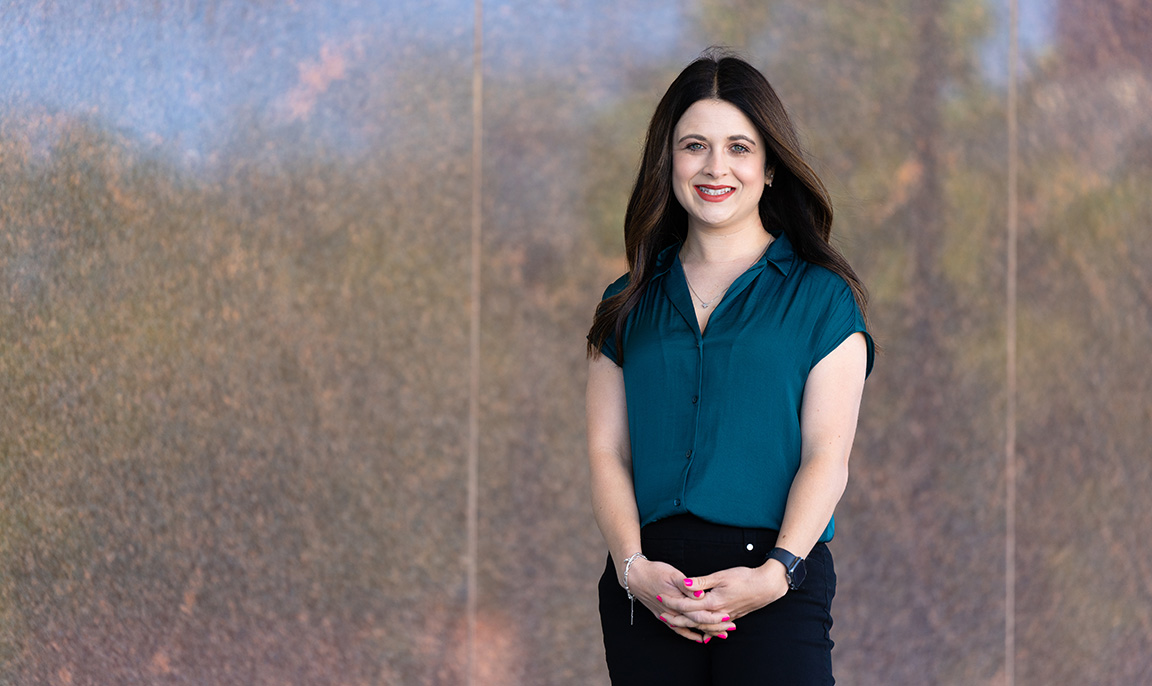
Scrolling through picture-perfect portrayals of motherhood may be doing real harm to moms, but a new study from University of Nebraska–Lincoln media scholar Ciera Kirkpatrick shows a “dose of reality” may mitigate some of the damage.
The study, published in Computers in Human Behavior, found that interspersing non‑idealized portrayals of motherhood alongside curated, idealized posts helped sustain positive feelings and reduce shame among mothers of young children, even though it did not reduce anxiety.
Kirkpatrick’s past research has shown that idealized versions of parenting — the perfect house, the perfect children and the perfect mom — are harmful when consumed by new mothers with children under 3, especially those prone to social comparison. These highly curated portrayals of motherhood were found to increase anxiety and envy and lessen confidence in parenting abilities.
There is also mounting concern about postpartum health. According to data from the Centers for Disease Control and Prevention, mental health conditions are the leading cause of pregnancy-related death in the United States. Of pregnancy-related deaths, 53% occur seven days to one year after pregnancy and 23% of those deaths are attributed to a mental health condition. Additionally, recent research shows mental health among mothers declined steeply between 2016 and 2023.
"It's very problematic, because social media really idealizes motherhood,” said Kirkpatrick, assistant professor of advertising and public relations. “There's a strong relationship between shame and postpartum depression.”
In the study, Kirkpatrick set out to test whether a more balanced social media experience could help mitigate some of those harms. She compiled short‑form motherhood videos from TikTok and created simulated social media feeds that mimicked a typical scroll. Some participants viewed only idealized content, while others saw a mix of idealized and more realistic portrayals of motherhood.
“The study tests a simple, realistic solution,” Kirkpatrick said. “Can mixing more ‘real’ portrayals of motherhood with idealized content make a difference?”
The results suggest it can. Mothers who were exposed to a mix of idealized and realistic posts reported less shame and sustained positive emotions about motherhood compared with those who viewed only idealized content. While anxiety levels were not reduced, mothers who saw only idealized posts experienced significantly more shame and lower positive emotion overall.
With ample research now showing the harms of social media on new mothers, Kirkpatrick suggested that questions about social media habits could be incorporated into postpartum screenings, including how much time mothers spend online and whether they notice changes in how they feel after using social platforms. Providers raising awareness that social media content can affect maternal well-being, and that these reactions are common and valid, could help moms better navigate their social media consumption.
“We don't have to tell moms they can't be on social media at all,” Kirkpatrick said. “Instead, perhaps we can advocate for a more balanced social media feed, where if mothers see both those idealized posts that exist, but also more realistic posts, it wouldn't be as harmful.”
Kirkpatrick has also researched how medical providers use social media, and she hopes clinicians will create future content highlighting the downsides of social media for moms and sharing strategies for healthier use.
“It could be beneficial, and I hope to do a future study on it, if health care providers could utilize social media and post content so that the mothers are finding the information where they’re already at, in their feeds,” Kirkpatrick said.
Kirkpatrick also hopes that the growing body of research on the harms of social media consumption will spur platforms to make changes.
“I think these results show that platforms need to do more to avoid the echo chambers that people find themselves in,” she said. “For moms who are on social media, it's very easy for them to get into these traps of just seeing idealized content. If algorithms worked differently to try to bring more diversity to what people see, that would be helpful.”
Share
News Release Contact(s)
Related Links
High Resolution Photos