This year marks 50 years of Nebraska Extension’s Embryology program in Lancaster County, providing two generations of students the experience of hatching baby chicks in their classrooms.
Embryology — the study of embryo development — is taught in every third-grade classroom in Lincoln Public Schools, Malcolm, Norris and Waverly, as well as many parochial schools and home schools. In 2025 the Embryology program’s three sessions reached 3,945 students in 192 classrooms from 64 schools.
Nebraska Extension in Lancaster County coordinates Embryology, a “4-H in the Classroom” program. Extension assistant Madelaine Polk currently leads the program, including scheduling classrooms, communication with teachers, delivering supplies, teaching in the classrooms and distributing chicks to area farmers.
“I cannot describe the excitement from students when we first visit their classroom and bring their fertilized eggs,” Polk said. “The students are always so eager to learn about the development process and hear about the different stages. In addition to being an amazing science project, these students are learning responsibility, teamwork, record keeping and how to care for the chicks after they hatch.”
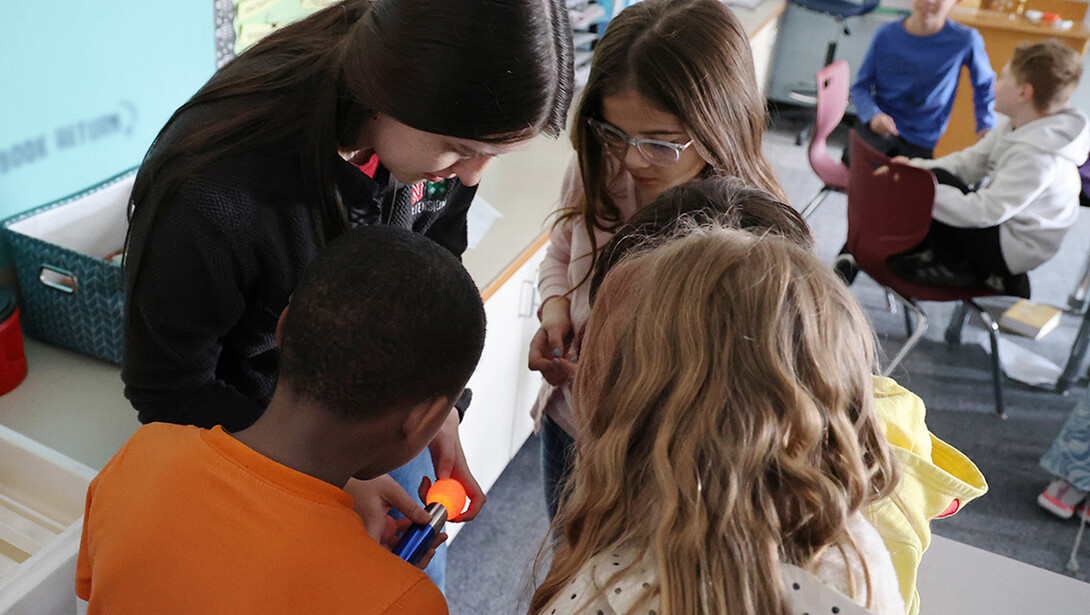
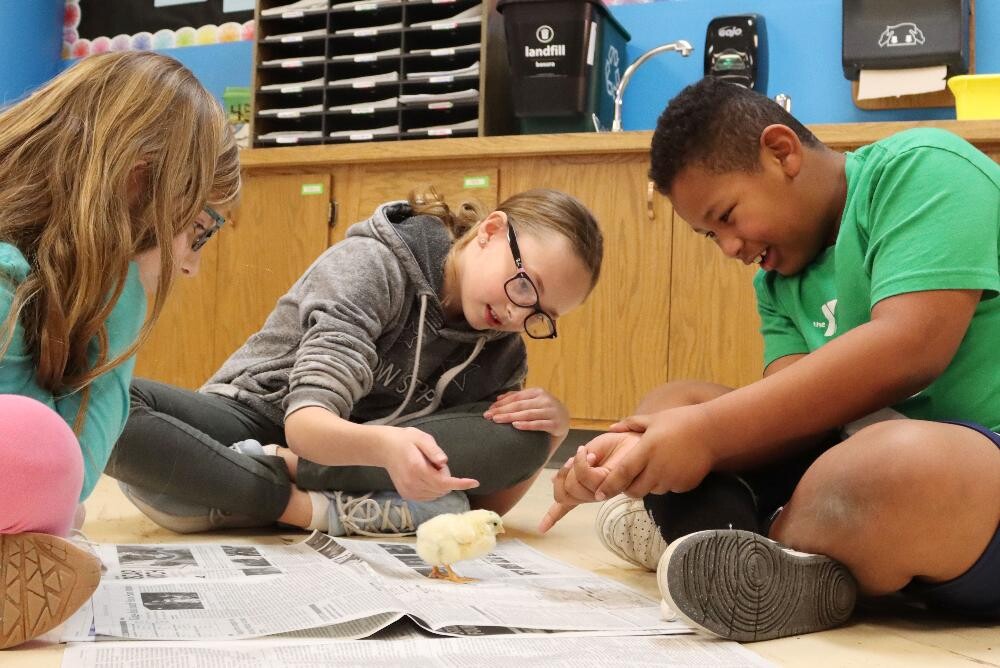
In the Embryology unit, students explore embryo development and egg anatomy before incubating a dozen fertilized eggs in their classroom. They turn the eggs daily, maintain humidity and candle them to check for growth. After approximately 21 days, students watch for “pipping” and eagerly monitor the incubator as chicks hatch. The newly hatched chicks stay in the classroom where the students learn how to care for them. After a few days, Extension staff collect the chicks and give them to local farmers to raise.
“The students absolutely love this experience," said a teacher from Cavett Elementary in Lincoln. "It is not only a highlight of their third-grade year, but for most their elementary years."
The program began in 1976 with Ruth Hill, an LPS board member and co-founder of Hill Hatchery in Lincoln, with one school — the school named after her, Ruth Hill Elementary. The next year, Extension educator Don Miller introduced the program to a dozen more schools. In 1981, LPS revised its elementary science curriculum and placed Embryology at grade three. In 1993, Embryology became part of the core curriculum for science in LPS.
“Our partnership with the 4-H Extension office has been invaluable," said Betsy Barent, a current LPS science curriculum specialist. "The eggs and chicks serve as a real-life model through which students can figure out the similarities and differences of life cycles by comparing them to other organisms.”
2002 brought a new facet to the program with the EGG Cam, giving families at home and all curious viewers the opportunity to watch chicks hatch online. In 2020 and 2021, EGG Cam became a vital tool for schools locally and across the nation as education pivoted to virtual learning. In addition to hatching, Extension staff used the livestream for presentations and candlings (later transitioning to Zoom presentations with classrooms).
“For 50 years, the Embryology program has been a labor of love made possible by passionate educators, dedicated volunteers, generous partners and curious young minds," said Extension educator Tracy Anderson. "Thank you to everyone who has helped bring this hands-on science experience to life.”
Third graders have told Extension staff comments such as, “We have been waiting for this all year,” and, “This is the best day of my life.”
Participating schools purchase their own incubators and work closely with Extension staff on scheduling and teaching. Over the years, LPS science specialists have partnered with Extension staff to ensure the program meets state science standards and is updated with current research and technology. All teachers involved in the program have been a crucial part of teaching their students and caring for the eggs in their classrooms.
Viewers can currently watch eggs incubating on the Lancaster Extension website. Chicken eggs are usually incubating on EGG Cam January through spring. Sometimes, other eggs, like ducks, are featured.
Hatching and candling videos are also available on Lancaster County 4-H’s YouTube channel.